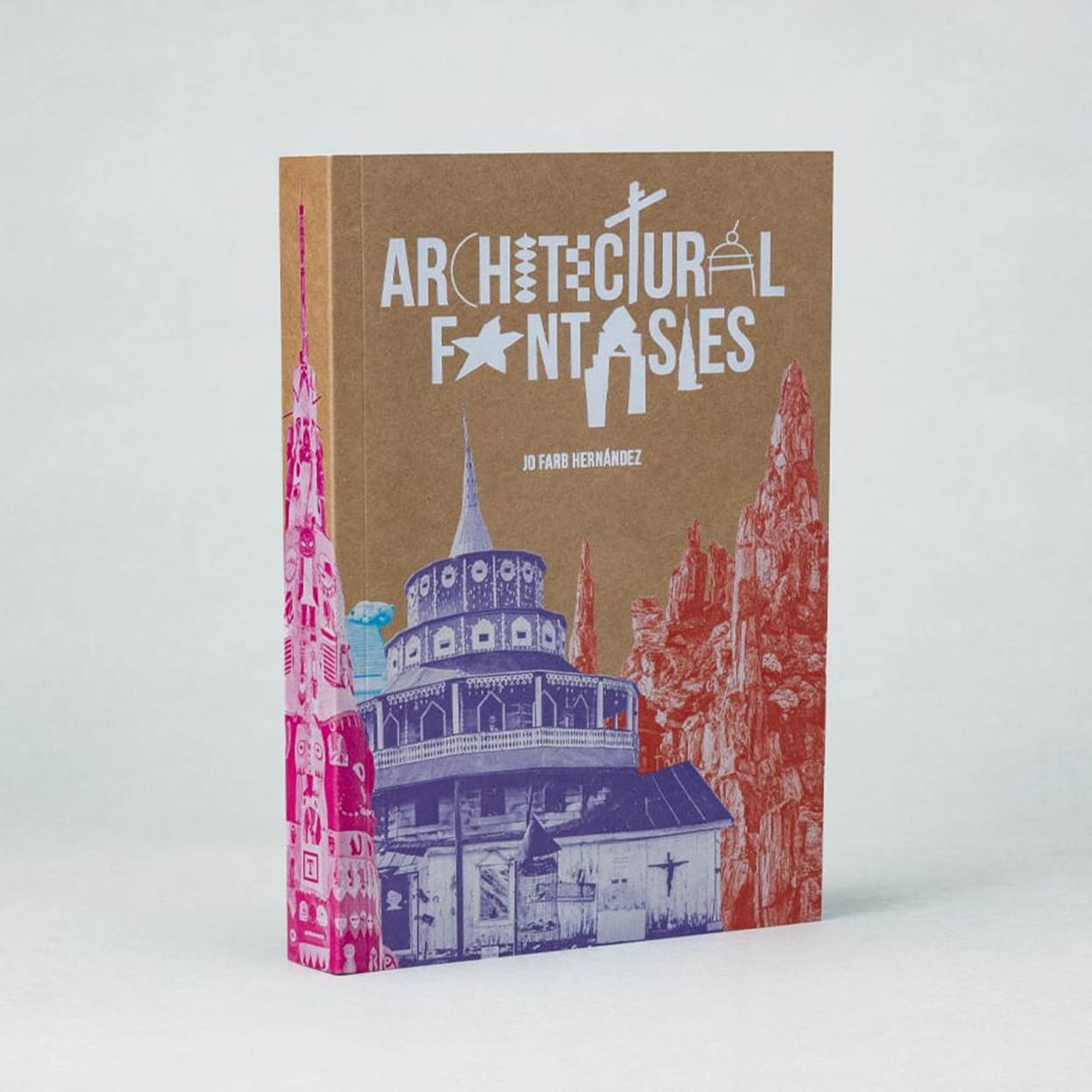
All across the United States, self-taught artists and architects, working outside of the mainstream, unite function with fantasy. The works are generally monumental, frequently provocative, often whimsical, sometimes reverential, and regularly misunderstood–but always remarkable. This book, published by Tra Publishing in mid-2026, opens a window into the passion and the innovation of some of our most creative artists and the ways they transform the spaces in which they live and work.
“Jo Farb Hernándezbrings a depth of knowledge to the multidimensional field of artist-built environments in her exceptional Architectural Fantasies.” –BookPage, April 2026
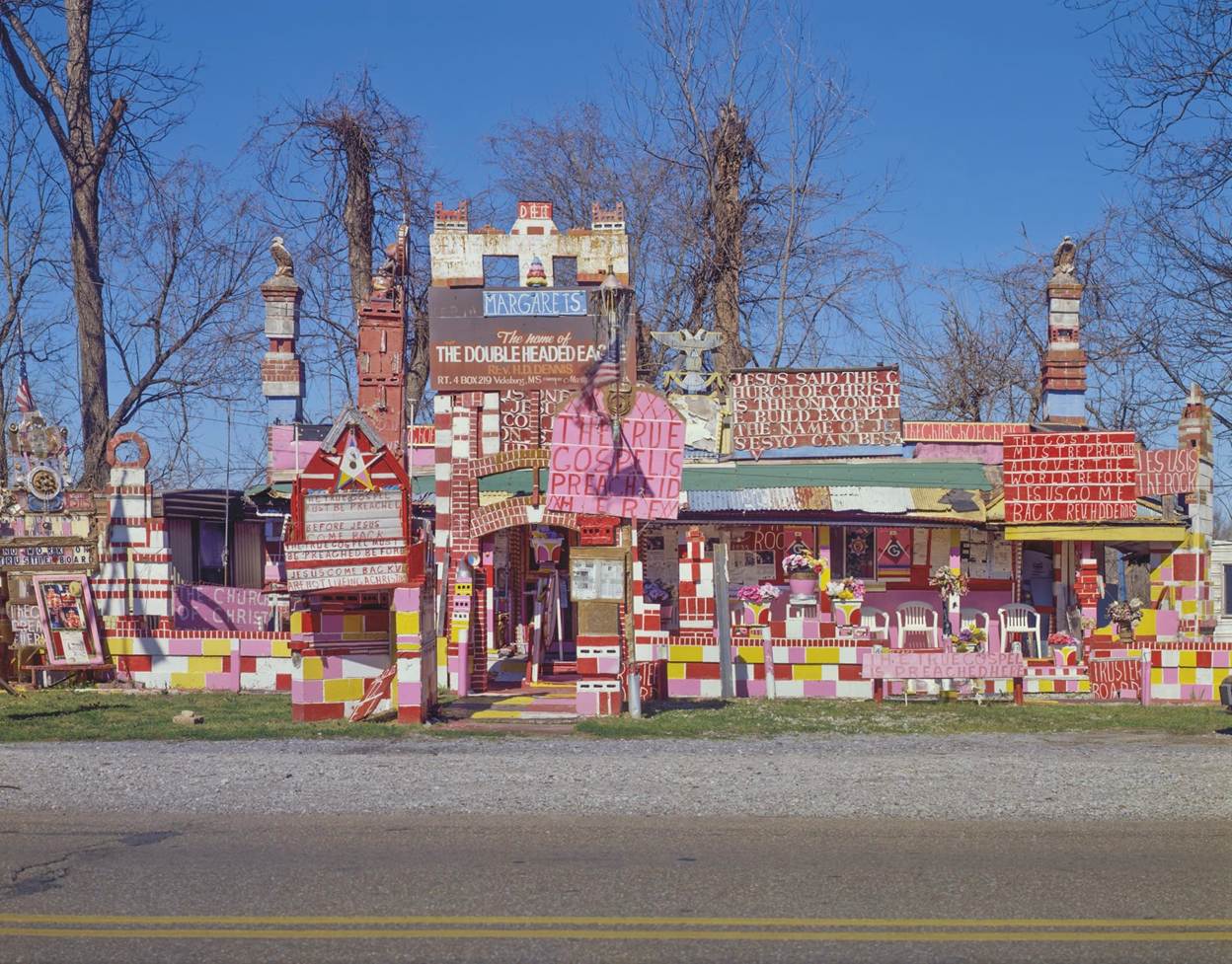
Margaret Rogers Dennis, Margaret’s Grocery and Market, Vicksburg, Mississippi. Photos by Fred Scruton.
All images courtesy of Jo Farb Hernández and Tra Publishing, shared with permission
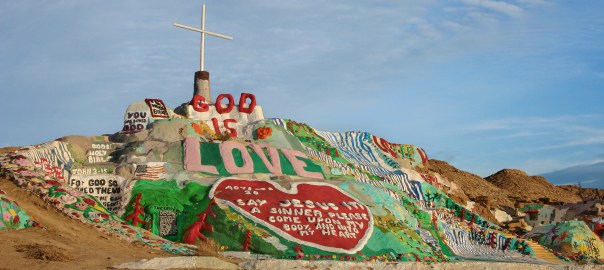
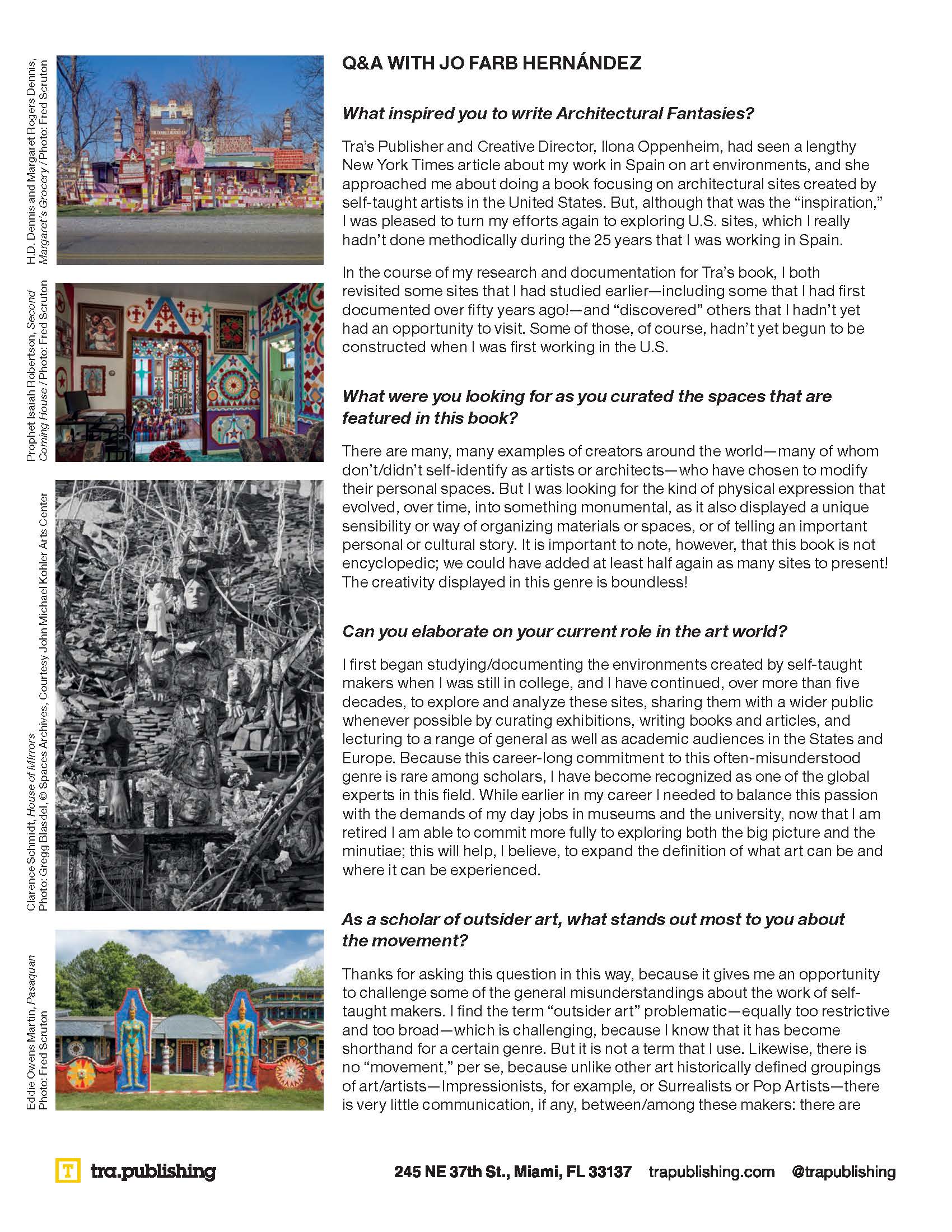
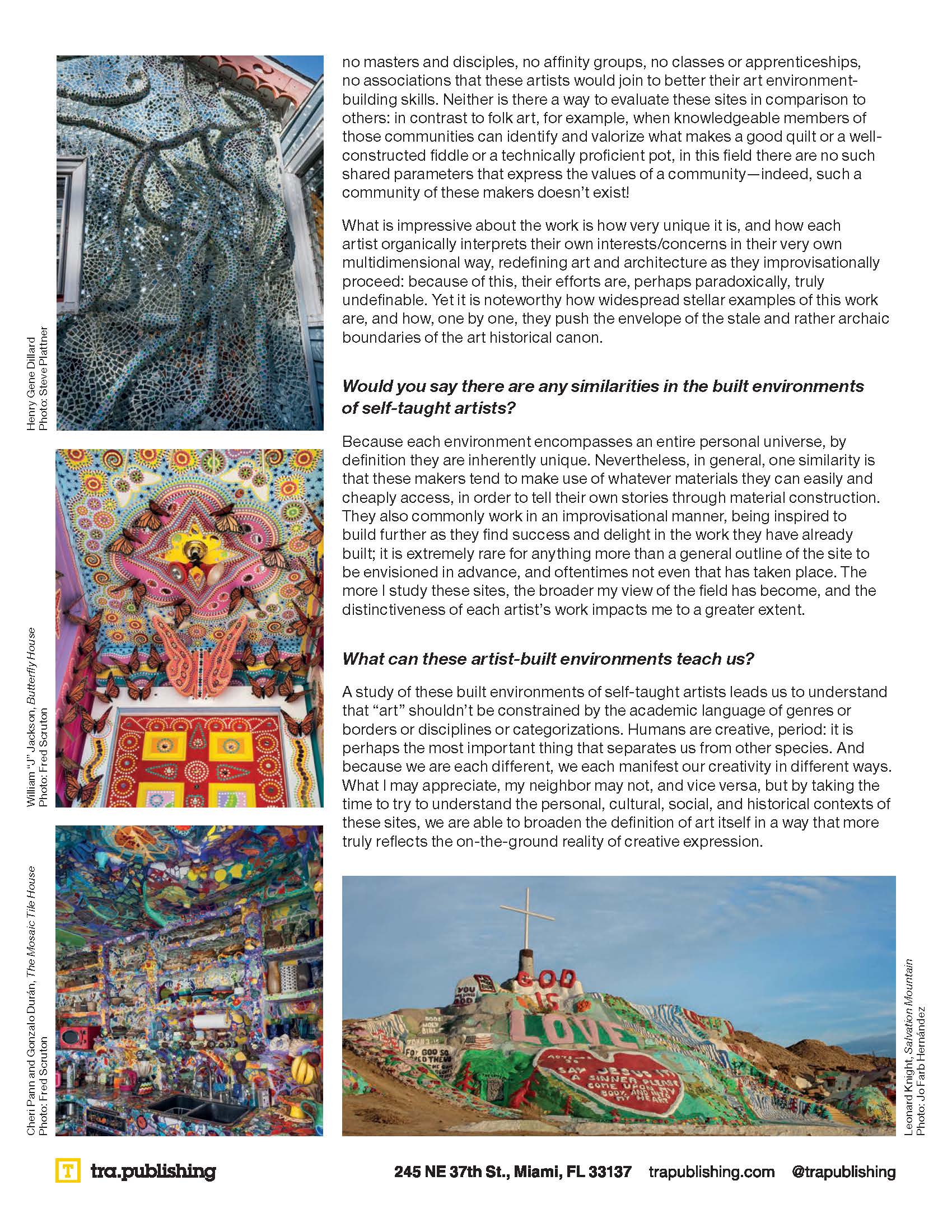
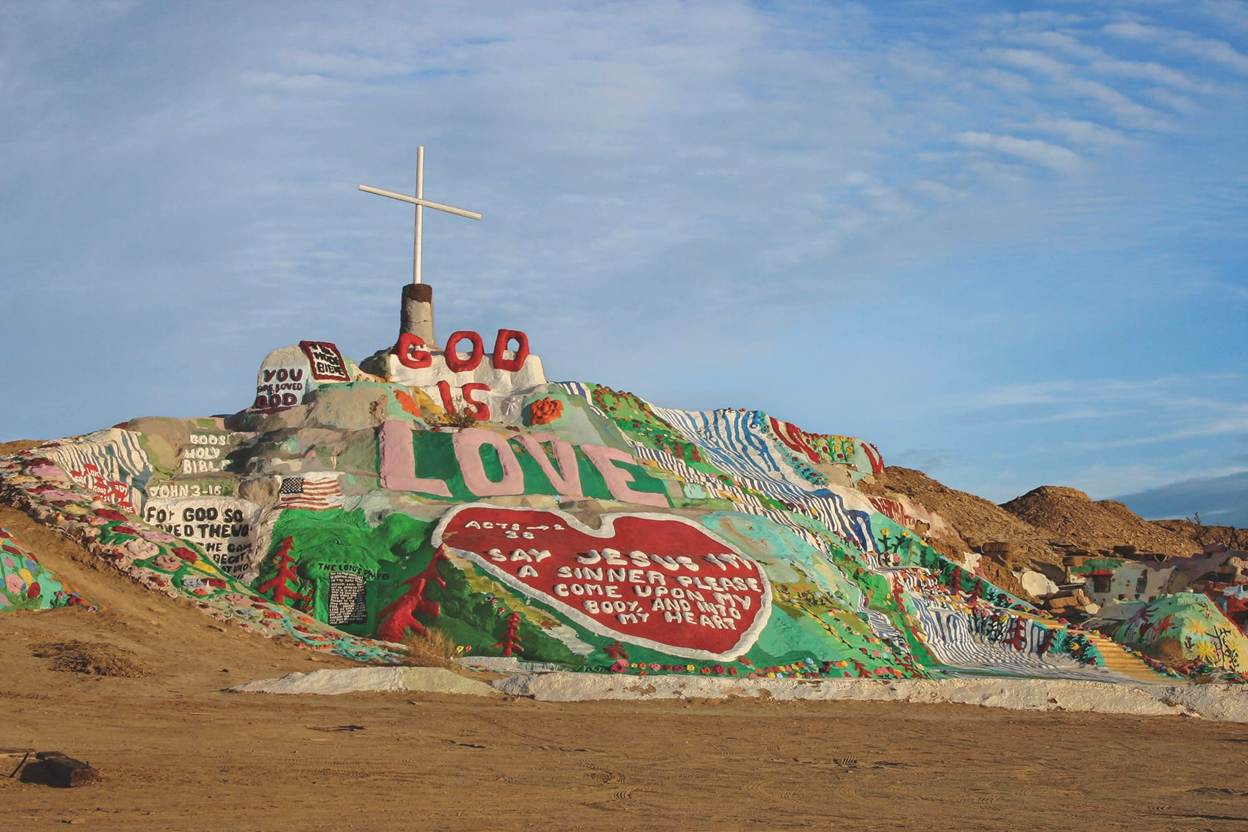
What began as a pile of dirt, rubble, and cement in rural Niland, California, just east of the Salton Sea, eventually became one of the most beloved landmarks and roadside attractions in the region. “Salvation Mountain,” Leonard Knight’s vibrantly painted, three-story mound made of adobe and straw, stands as a tribute to one man’s tenacity and desire to spread a message, topped with its instantly recognizable slogan, “God Is Love.”
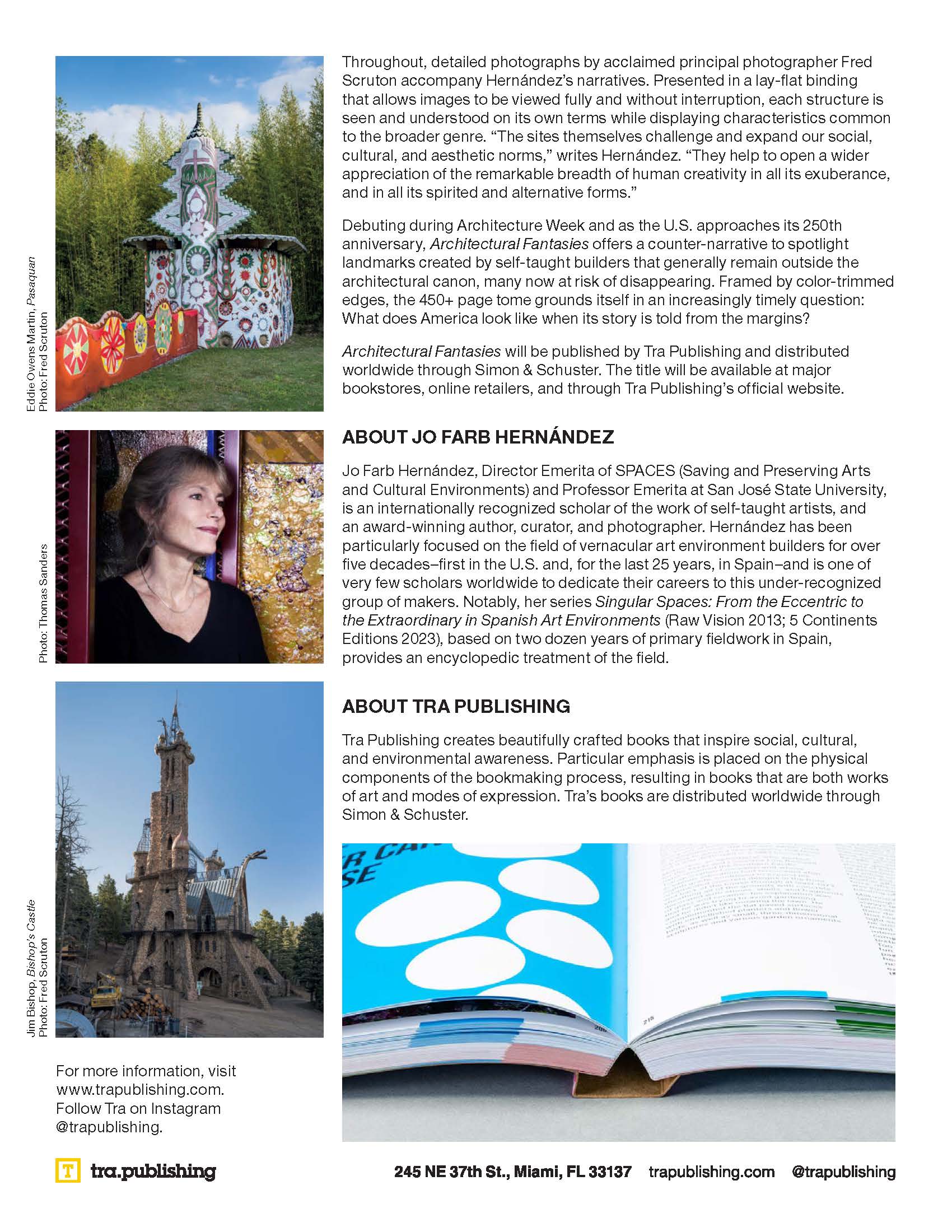
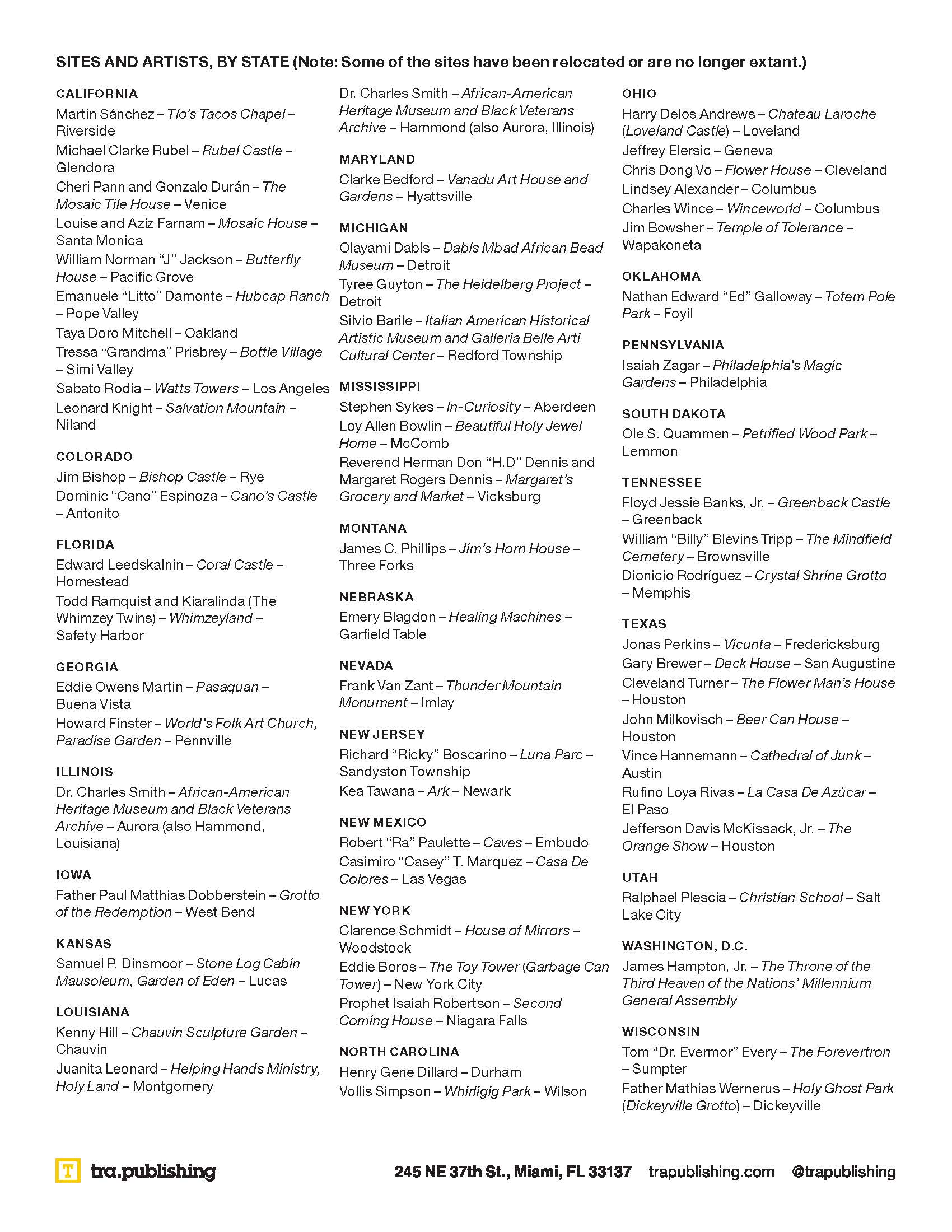
“Salvation Mountain” is just one of countless artist environments around the U.S., illustrating the unique style, drive, and vernacular of creative builders. Often driven by religious or spiritual fervor, these self-taught artists use whatever materials are at hand, from salvaged metal and concrete to rocks, shells, glass, and more. Northern Wisconsin artist Fred Smith, for example, built a sprawling “Wisconsin Concrete Garden” that’s populated by figures and animals embellished with fragments of beer bottles and other found objects. And Philadelphia’s Magic Gardens are a visual cacophony of mosaics, passageways, arches, and niches made from a huge array of materials and knick-knacks.
Leonard Knight, Salvation Mountain, Niland, California. Photo by Jo Farb Hernández, 2012
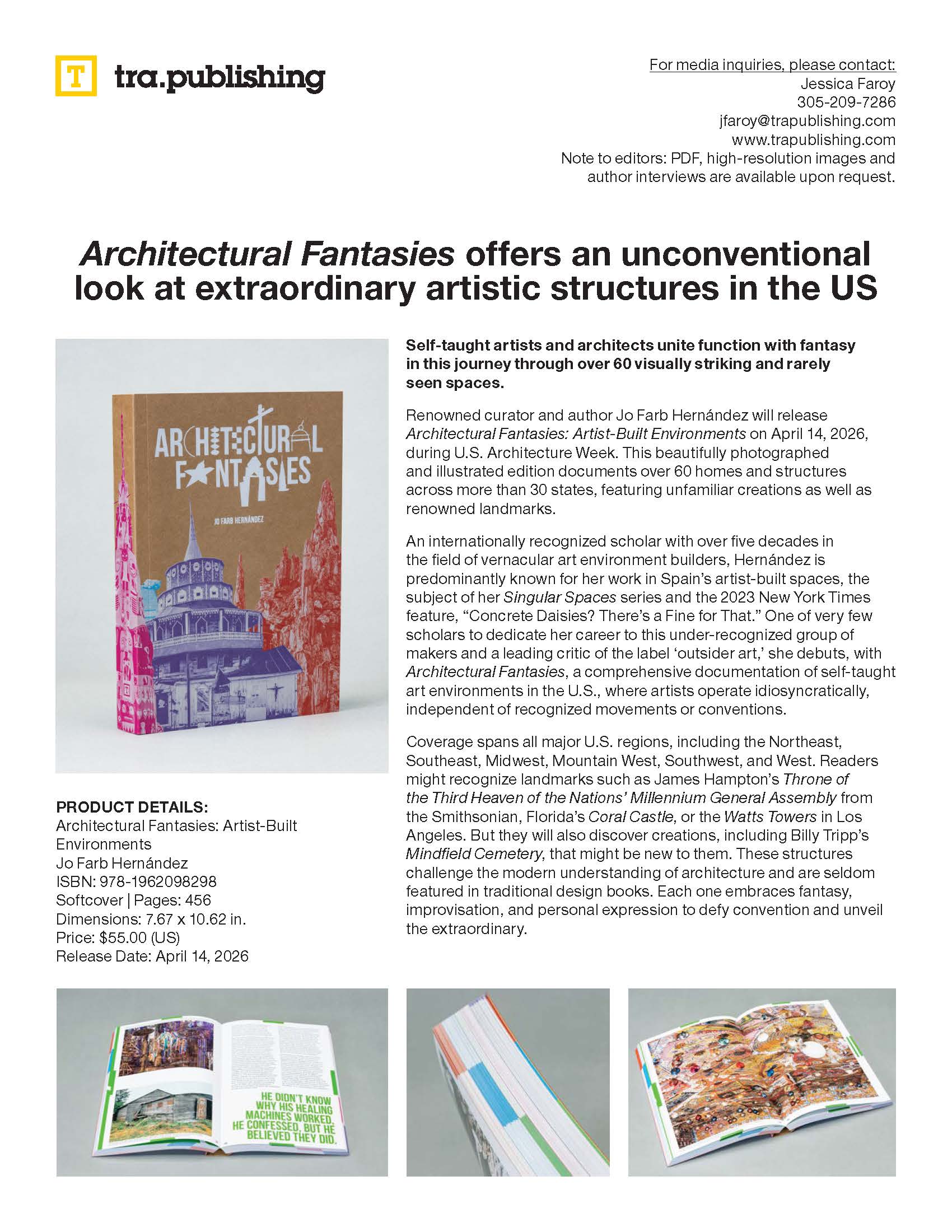
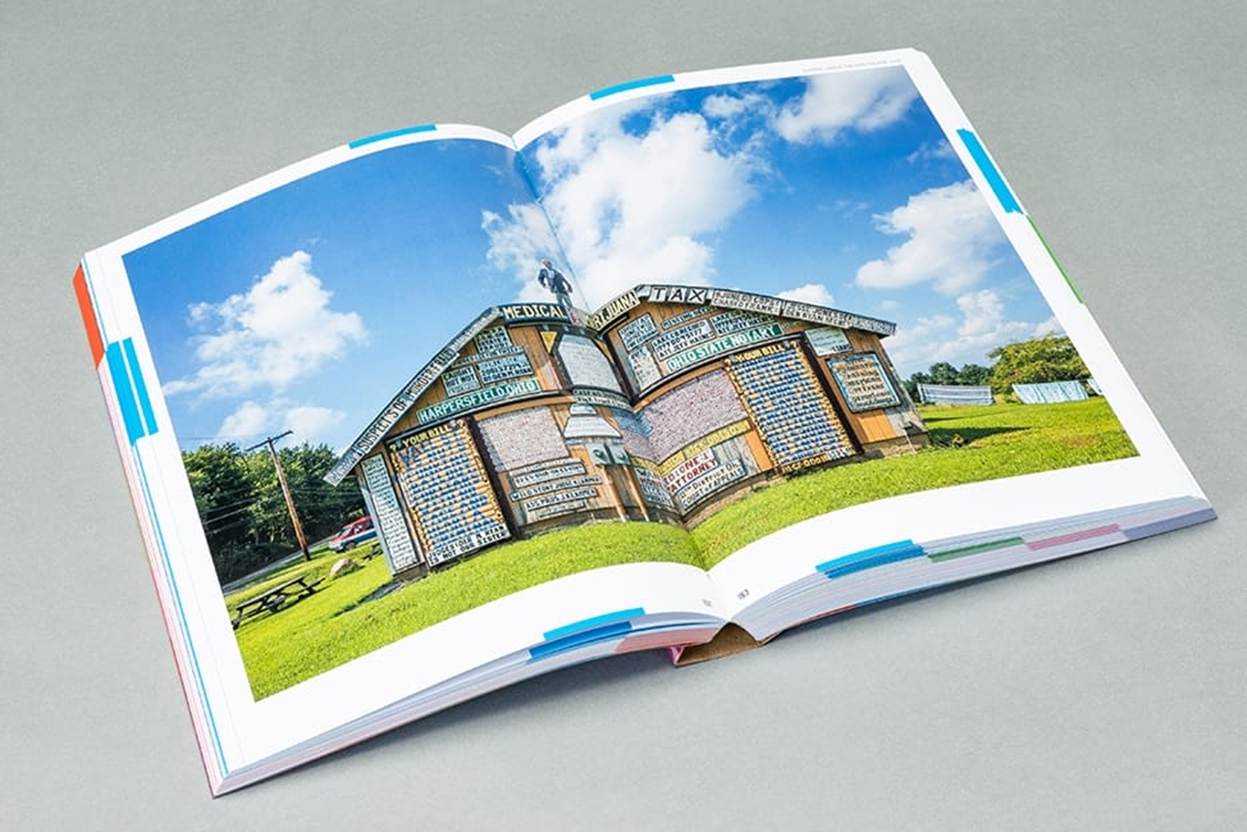
A new book forthcoming from Tra Publishing titled Architectural Fantasies: Artist-Built Environmentschronicles some of the most enduring examples of these vernacular treasures—even if they only now exist in photographs. The vibrant volume is authored by Jo Farb Hernández, Director Emerita of SPACES (Saving and Preserving Arts and Cultural Environments), whose work revolves around documenting and preserving one-of-a-kind, artist-constructed places.
Gathering decades’ worth of research and documentation, the book includes spectacular photographs by Fred Scruton and highlights the remarkable diversity of hand-built environments. Free from academic or architectural conventions, these buildings range from castle-like houses to folk art churches to intergalactic time travel machines—think Dr. Evermore’s Forevertron.
Thanks to enthusiasts and curators like Hernández who shine a light on these idiosyncratic creations, many have been carefully documented, catalogued, and conserved. Some have also been removed—at least in part—to museums, such as the John Michael Kohler Art Center’s Art Preserve in Sheboygan, Wisconsin. Many have been dismantled, typically after the owner-artist died or the family moved on from the property, while others are lovingly maintained and open to the public.
Often categorized as “outsider art,” which describes work made by people who are self-taught and encompasses much folk art, artist environments are truly their own genre. And Hernández has long criticized the label. Its implication that the work is less significant or worthy of study when compared to other “high” forms of art, such as academic painting and sculpture, disregards that its makers improvise and play by their own rules—and do so extremely independently.
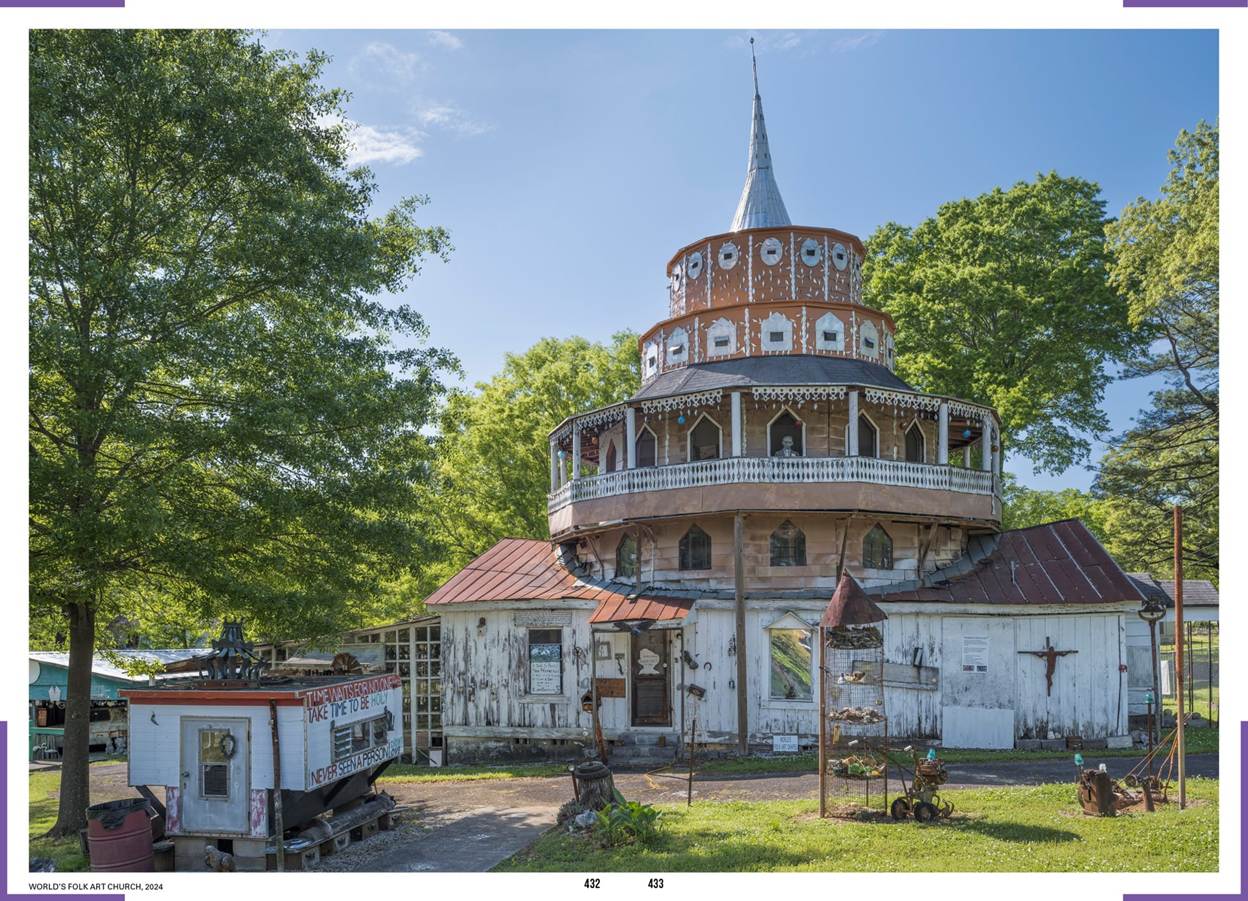
Howard Finster, World’s Folk Art Church, Paradise Garden, Pennville, Georgia
Hernández champions these individualistic works as monumental exemplars of the vast potential and wonderful weirdness of the human imagination. She says, “It is noteworthy how widespread stellar examples of this work are, and how, one by one, they push the envelope of the stale and rather archaic boundaries of the art historical canon.”
Architectural Fantasies is slated for release on April 14, and you can pre-order your copy in the Colossal Shop. You might also enjoy exploring artist environments that are part of the National Trust for Historic Preservation’s Historic Artists’ Homes and Studios program. And visit Ricky Boscarino’s whimsical, hand-built home in the short documentary “Electric Garden.”
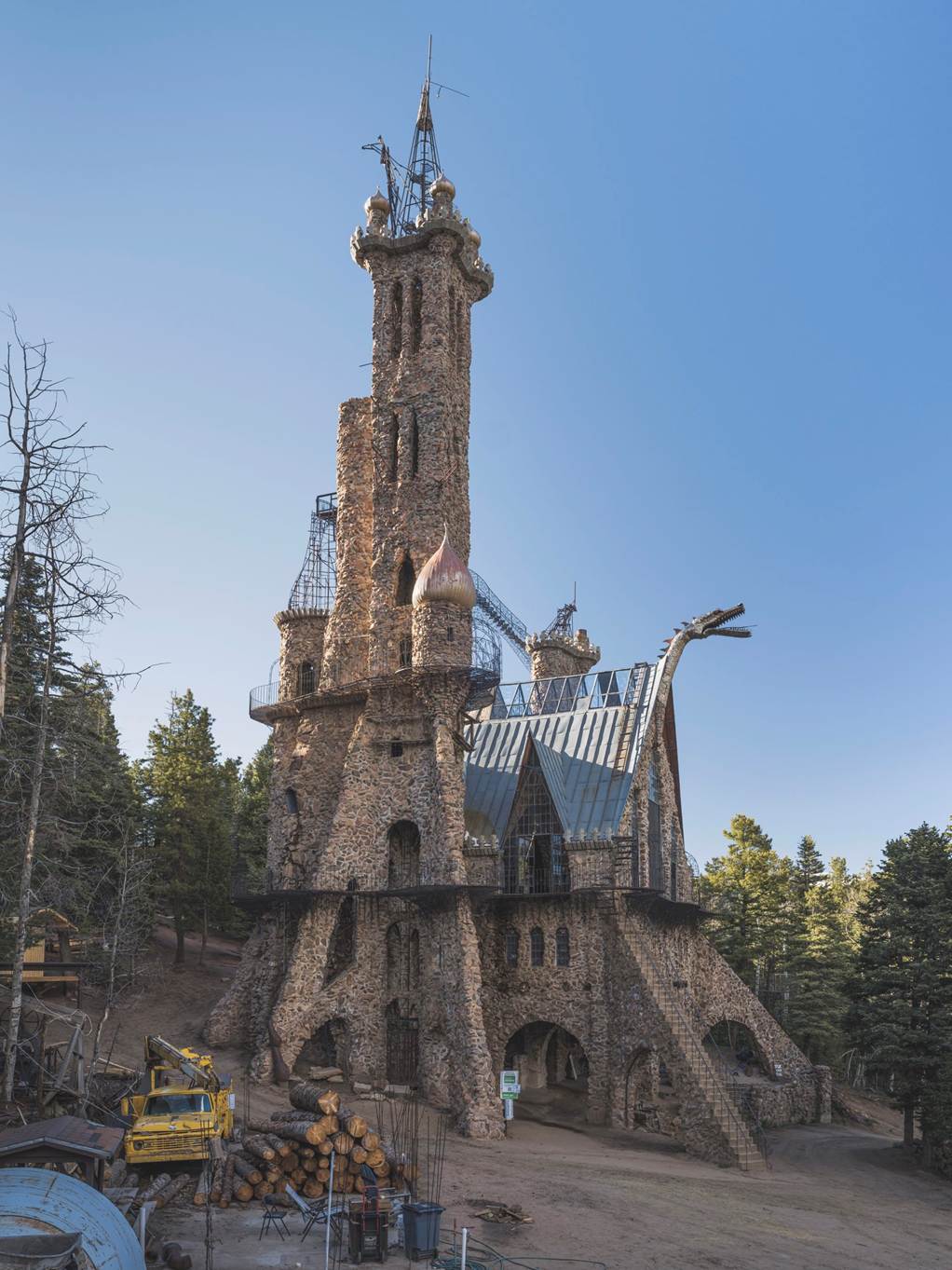
Jim Bishop, Bishop Castle, Rye, Colorado
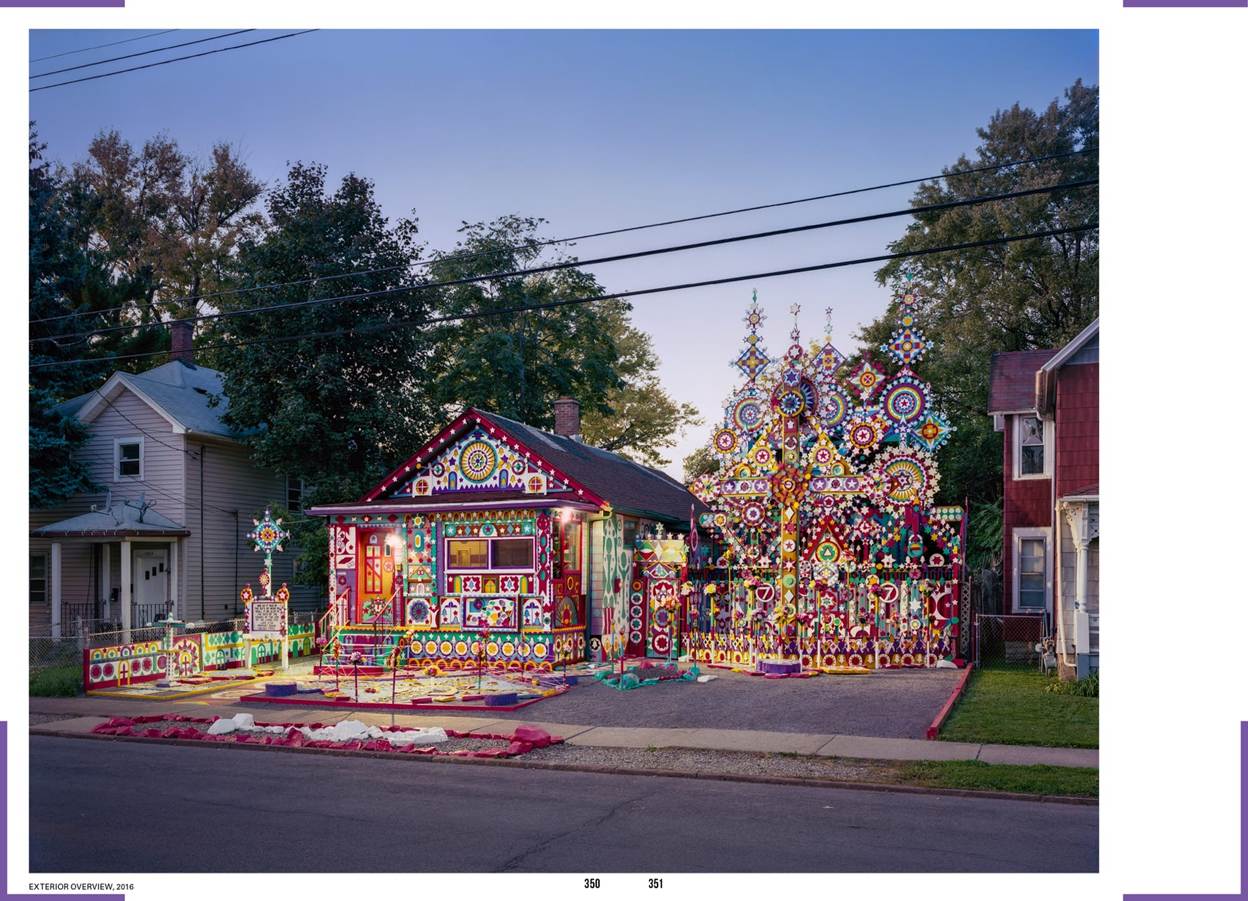
Prophet Isaiah Robertson, Second Coming House, Niagara Falls, New York
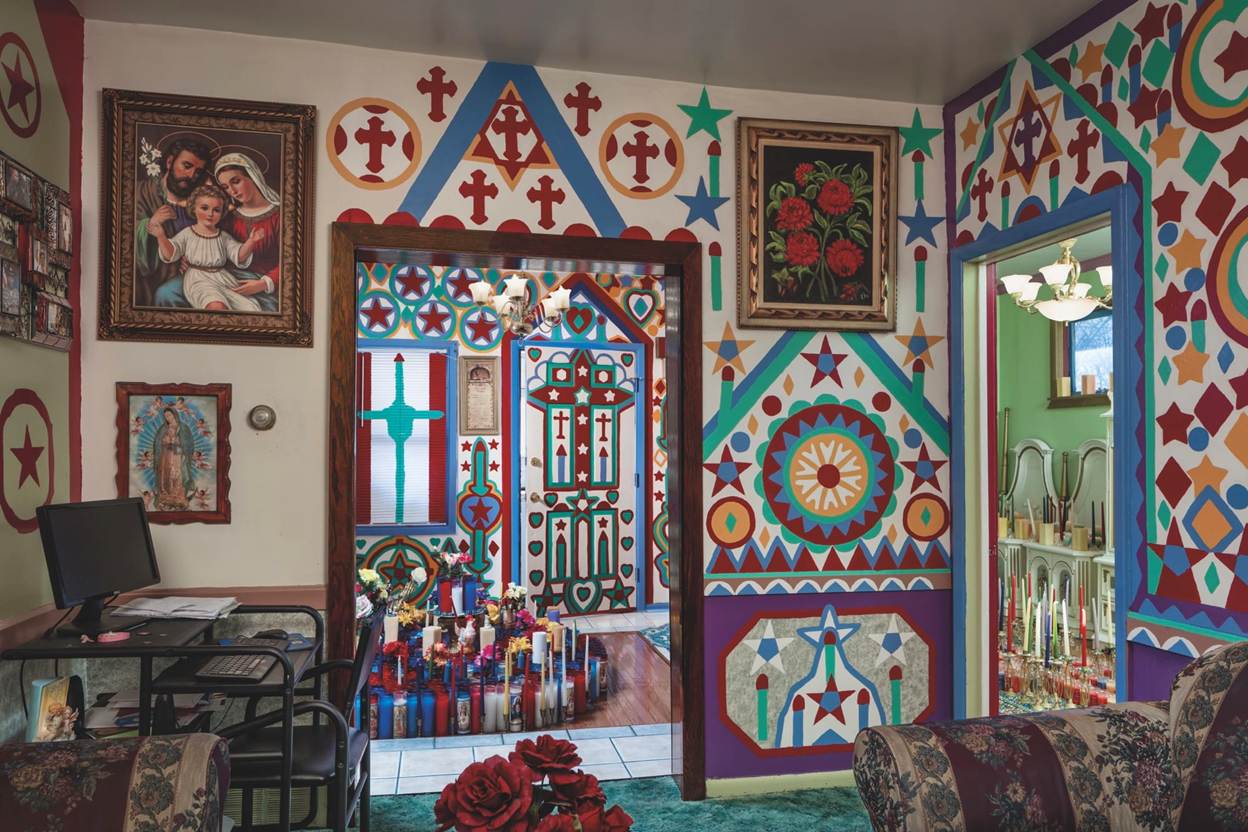
Prophet Isaiah Robertson, Second Coming House (interior), Niagara Falls, New York
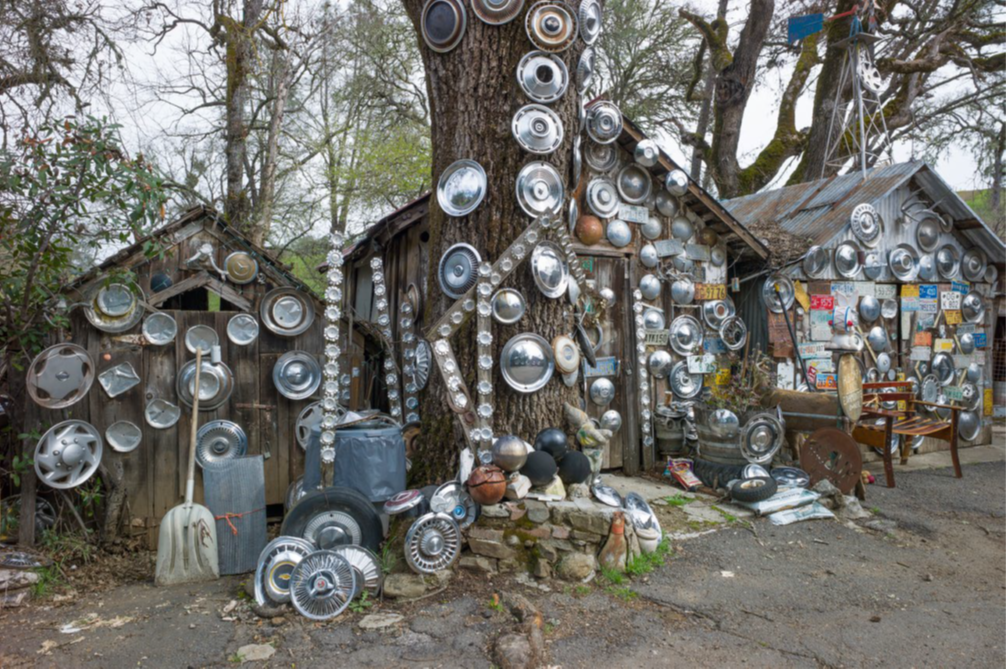
Emanuele “Litto” Damonte, Hubcap Ranch, Pope Valley, California. Photo by Steve Plattner
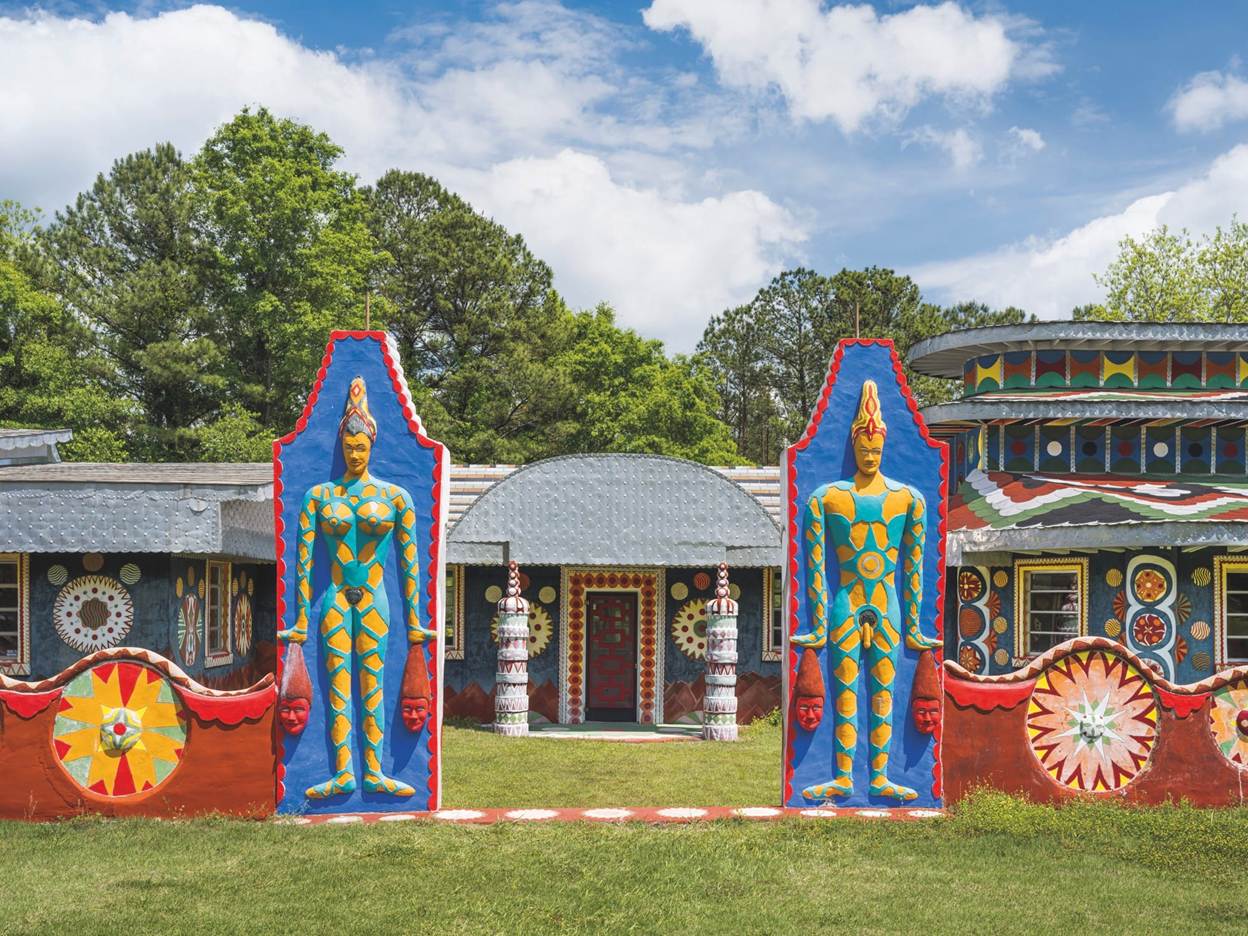
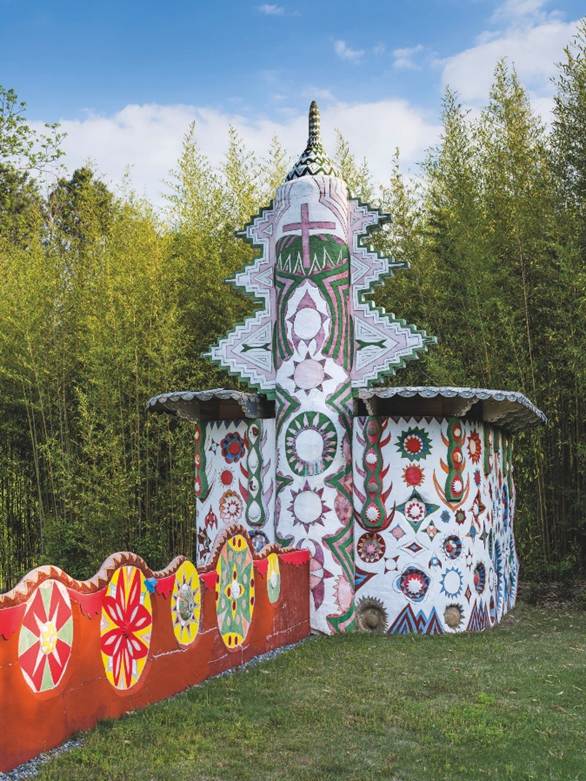
Eddie Owens Martin, Pasaquan, Buena Vista, Georgia
Eddie Owens Martin, Pasaquan, Buena Vista, Georgia

 Jo Farb Hernández


